by Anna Gondzik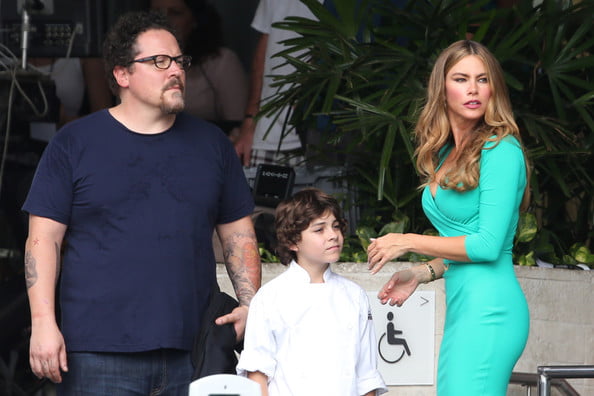
The movie Chef (2014) is supposedly about food, family, and self-discovery.
It is also, very unintentionally, a brutally accurate explanation of modern marketing.
If you strip away the grilled cheese montages and Cuban sandwiches, what’s left is a case study in how businesses lose relevance, how reputation now lives online whether you like it or not, and how visibility beats perfection every single time.
The Setup: When “What’s Working” Stops Working
Jon Favreau plays Carl Casper, a respected chef working at a successful, high-end restaurant. The food is consistent. The customers keep coming. The business is profitable.
Sounds great, right?
The problem is that the menu hasn’t changed in years. When a well-known food critic trashes the restaurant online for being uninspired and stale, Carl wants to evolve. His boss doesn’t.
From a traditional business perspective, the owner isn’t wrong. The restaurant is stable. People still show up. Why risk changing something that works?
Because the internet doesn’t care that it “works.”
Online, perception moves faster than revenue. And once the narrative shifts, stability becomes inertia.
Three Generations. Three Mindsets.
The movie quietly contrasts three generations - and three completely different relationships with marketing.
The owner represents the old guard: experience, consistency, predictability. He doesn’t understand blogging, doesn’t respect online criticism, and doesn’t believe digital reputation should influence real-world decisions.
Carl, the chef, sits awkwardly in the middle. He cares deeply about reputation, but doesn’t fully understand the tools. When he discovers Twitter, it… does not go well.
His public meltdown, sparked by a food critic, turns into a viral disaster because he doesn’t understand how public digital spaces actually work.
Then there’s Percy, his 10-year-old son.
Percy doesn’t overthink any of this. He understands instinctively that visibility matters. That attention compounds. That storytelling travels. He doesn’t see social media as “marketing.” He sees it as communication.
And honestly? That’s the most realistic part of the movie.
The Internet Doesn’t Ask for Permission.
One of the most important moments in Chef isn’t planned marketing at all.
Carl publicly confronts the critic in his restaurant. Someone films it. The clip gets uploaded. It spreads.
This is not strategy. This is reality.
Whether you participate or not, your brand exists online. People will talk. They will film. They will post. Silence doesn’t opt you out; it just means you don’t get a say.
This is where a lot of businesses still get stuck today. They assume that because they’re not “doing marketing,” they’re somehow insulated from it.
They’re not.
@OliverPlatt “You would not know a good meal if it sat on your face”
ChefCarlCasper
@ChefCarlCasper “I would rather have you sit on my face after a brisk walk on a warm day than have to suffer through that f--king lava cake again.”
OliverPlatt
From Restaurant to Food Truck (aka: From Legacy to Direct-to-Audience)
After walking away from the restaurant world, Carl launches a food truck.
No billboards. No PR firm. No traditional ads.
Just social media.
Daily updates. Behind-the-scenes clips. Location drops. Food shots. Personality. Momentum.
Percy runs the whole thing like it’s second nature.
And suddenly, the same chef who was written off as outdated is packed with lines of customers — not because the food changed, but because distribution did.
This is the part most people miss.
The movie isn’t saying “social media makes you successful.”
It’s saying visibility unlocks opportunity.
Why This Still Matters (Even More Now)
Chef came out in 2014 - back when Vine existed and Twitter still felt harmless.
But the underlying lesson aged extremely well.
Today:
- Reviews shape buying decisions before conversations happen
- Brands are judged on narrative, not just output
- Attention compounds faster than quality alone ever could
- And being “good” is meaningless if no one sees you
The businesses that struggle aren’t bad businesses.
They’re quiet ones.
They rely on what used to work.
They wait too long to adapt.
They treat marketing as an accessory instead of infrastructure.
The Real Takeaway
Chef isn’t about chasing trends or becoming an influencer.
More, importantly:
You don’t get to choose whether your business is marketed.
You only get to choose who controls the story.
The owner thought stability was protection.
Carl thought talent would speak for itself.
Percy understood that visibility creates leverage.
Only one of those mindsets actually works long-term.